
Shopify, built properly.
Custom themes, clean sections, sane app choices and a checkout your buyers finish — instead of a theme store purchase held together with plugins.

Overview
Most Shopify stores are slow because of apps.
Shopify is an excellent platform that is easy to ruin. A stack of fourteen apps, three review widgets and a page builder will bring any theme to its knees on a mid-range phone — and the store owner is usually told the platform is the problem.
We build custom Shopify themes with native sections your team can rearrange, replace app functionality with theme code where it makes sense, and keep the app list short and deliberate.
We also do migrations onto Shopify from WooCommerce, Magento and custom carts, mapping URLs so existing search traffic survives the move.
What we provide
Everything the build actually needs.
Custom theme development
Themes built in your brand with editable sections, not a purchased theme with CSS overrides.
Store setup & configuration
Products, variants, collections, tax, shipping zones, notifications and policies configured correctly.
App selection & integration
A short, justified app list — subscriptions, reviews, loyalty, ERP — with performance impact measured.
Migration
Products, customers, orders and content moved from WooCommerce, Magento or custom carts with URL mapping.
Speed optimisation
Script auditing, image delivery, lazy loading and theme cleanup for a real mobile score.
Ongoing merchandising support
Seasonal campaigns, landing pages and new sections on a retainer.
Key features
What you get shipped.
- Custom sections for homepage, collection and product templates
- Metafield-driven product content
- Variant, bundle and subscription support
- Shopify Markets and multi-currency where needed
- Checkout extensibility within Shopify’s rules
- Theme-level speed budget and script audit
- Structured data aligned with the visible page
- Analytics, GA4 and pixel setup
Technology stack
Tools we actually use.
Process
How the work runs.
Store review
Theme, apps, speed profile and where the funnel currently leaks.
Plan
Theme scope, app decisions, data model and merchandising needs.
Design
Storefront and template design mapped to editable Shopify sections.
Build
Theme development, metafields, integrations and test orders.
Launch & tune
Go live, monitor speed and checkout, then iterate on the drop-off.
Industries served
Sectors we know the constraints of.
Relevant work
Projects in this space.


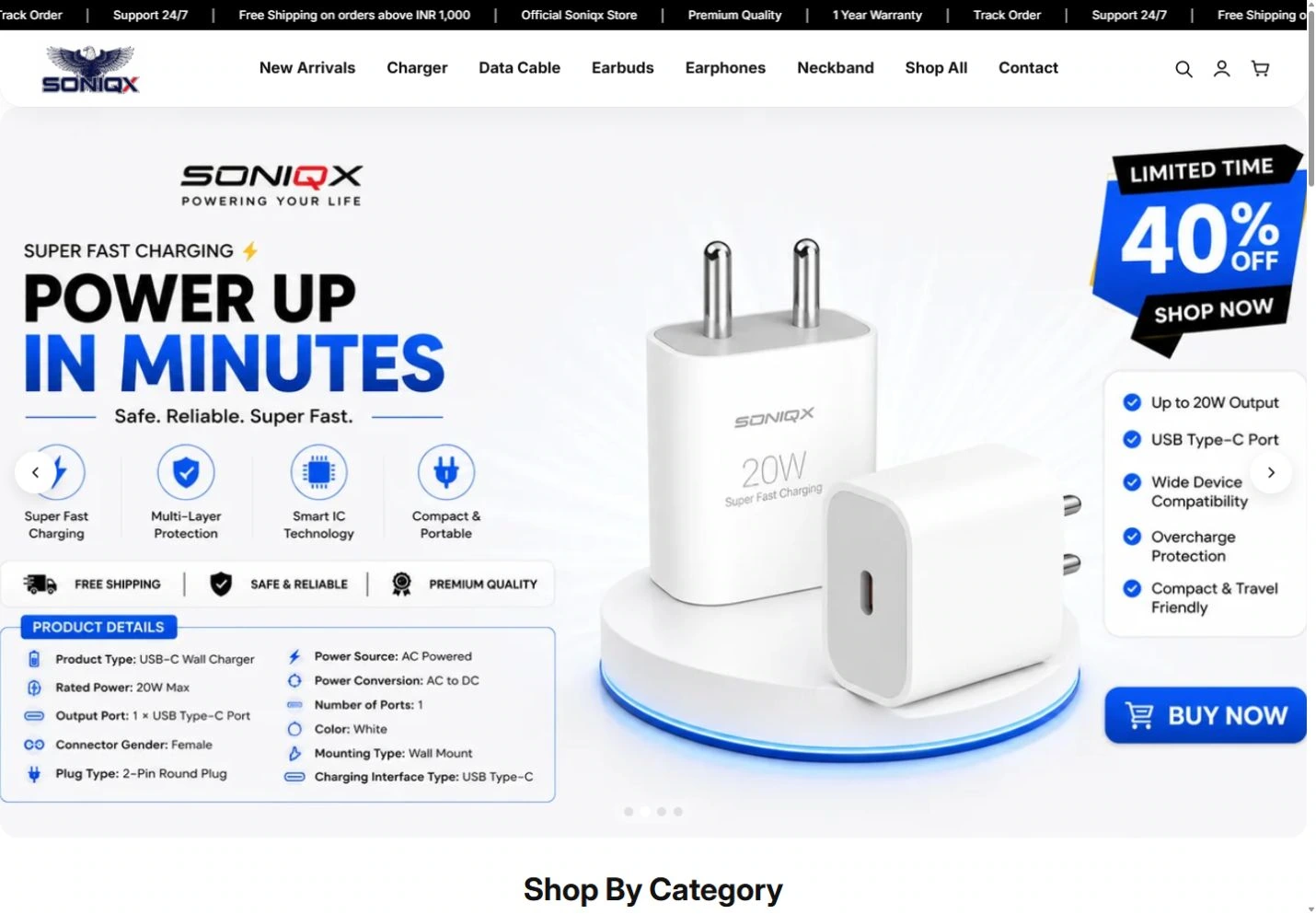
Why EHUB
Why teams keep us on the project.
Theme code, not workarounds
We prefer solving a requirement in the theme over installing a fourth app to do it slowly.
Merchandising-friendly
Sections are built so your marketing team can run a campaign without a developer.
Migration experience
We move stores onto Shopify without losing the URLs that already rank.
Speed measured, not claimed
Before-and-after numbers on real mobile hardware.
FAQs
Frequently asked.
Do you build custom Shopify themes or customise existing ones?
+
Both. A custom theme gives the cleanest result and the best speed profile. Customising a purchased theme is faster and cheaper, and is often the right call for a first store.
Can you fix a slow Shopify store?
+
Usually, yes. Most slowness comes from apps injecting scripts, oversized images and page builders. We audit, remove and replace, then measure.
Can you migrate from WooCommerce to Shopify?
+
Yes — products, variants, customers, orders and content, with redirects from every old URL.
Do you work with Shopify Plus?
+
Yes, including Shopify Functions, scripts and checkout extensibility where the plan allows.
What does Shopify development cost in India?
+
It depends on theme scope and integrations. We break down realistic ranges in our Shopify cost guide.
Send us your store URL.
We will review the theme, the app stack and the mobile speed profile, and tell you what is actually worth changing.
PARTNERS, PLATFORMS & PROFESSIONAL NETWORKS